What Is Lot Rent? A Plain-English Guide for Mobile Home Buyers
Lot rent is the monthly fee for the land under your mobile home. Learn what it covers, how Florida law handles it and what to ask first.
If you are shopping for a mobile home in a community, you will hear the term “lot rent” right away. So what is lot rent, exactly? In plain English, it is the monthly fee you pay to the park for the land your home sits on. You may own the home itself, but the park owns the ground under it.
Understanding lot rent helps you budget, compare communities fairly, and avoid surprises later. This guide explains how it works, what it often covers, and the questions to ask before you sign anything.
What is lot rent in a mobile home park?
In most mobile home communities, there are two separate costs:
- The home. You buy the mobile home, either outright or with financing. It is your property.
- The lot. You rent the piece of land the home sits on from the park owner. That monthly payment is the lot rent.
This setup is a big reason mobile home living can be affordable. You are not buying land, so the upfront cost is often much lower than a traditional house. In return, you pay a steady monthly fee to the community.
Some people call it “space rent,” “site rent,” or “lot fee.” They all mean the same thing.
What lot rent usually pays for
Every park is different, so never assume. In general, lot rent helps cover the cost of running the community. That can include:
- Upkeep of roads, common areas, and landscaping in shared spaces
- Shared amenities like a pool, clubhouse, laundry room, or fitness center
- Property taxes on the land
- Management and office staff
- Some utilities or services, such as trash pickup, water, or sewer, depending on the park
The key phrase is “depending on the park.” One community may include water and trash in the lot rent. Another may bill them separately. When you compare prices, compare what is included, not just the dollar amount.
What lot rent usually does not cover
Lot rent is not the only cost of owning a mobile home. Plan for these too:
- Your home’s upkeep. Roof, plumbing, appliances, skirting, and paint are usually the owner’s job.
- Homeowner’s insurance on the home and your belongings.
- Utilities that are billed separately, like electric, phone, and internet.
- Taxes or fees on the home itself, such as a yearly decal or property tax, depending on how the home is titled. Ask the county for details.
- Your own yard care, if the park expects residents to keep up their lots.
Add all of these to the lot rent to get a true monthly picture.
How lot rent works in Florida
Florida has a specific law for mobile home park lot tenancies, called Chapter 723 of the Florida Statutes. It applies to parks where 10 or more lots are offered for rent. A few points are worth knowing:
- Notice before increases. Lot rent increases require at least 90 days’ written notice to affected homeowners.
- The prospectus. In parks with 26 or more lots, the park owner must file a prospectus with the state and give a copy to new residents. It spells out things like how lot rent is set, what services are provided, and the park rules.
- A review window. Once you receive the prospectus, you have a short window, 15 days, to change your mind about the rental agreement.
The state agency that handles mobile home questions has a helpful Florida mobile home FAQ page ↗. This post is a general overview, not legal advice. If you have specific questions, talk to the park office or a qualified professional.
Questions to ask about lot rent before you move
Bring this list when you tour a community. Write down the answers so you can compare parks side by side.
- What is the current monthly lot rent for this site?
- What exactly is included? Water, sewer, trash, lawn care, amenities?
- How often has the lot rent gone up in recent years, and by how much?
- How much notice do you give before an increase?
- Can I see the prospectus, the rental agreement, and the park rules before I commit?
- Are there any other monthly or yearly fees?
- Is there an application process or approval for new residents?
- When is rent due, and how can I pay it?
For a bigger checklist that covers amenities, location, and community feel, see our guide on how to choose a mobile home park.
How to compare lot rent between parks
A lower number is not always the better deal. Here is a simple way to compare:
- Start with the base lot rent.
- Add the costs that are billed separately in that park, like water or trash.
- Look at what you get. A heated pool, clubhouse, and fitness room have real value if you will use them.
- Think about location. Being close to stores, gas, and a bus stop can save time and money.
- Consider the community. A quiet, well-kept park with friendly neighbors is worth a lot to most people.
If you are still deciding whether to live in Florida all year or part of it, our post on snowbird vs year-round living can help you think through the bigger budget picture.
Lot rent at 3 Seasons
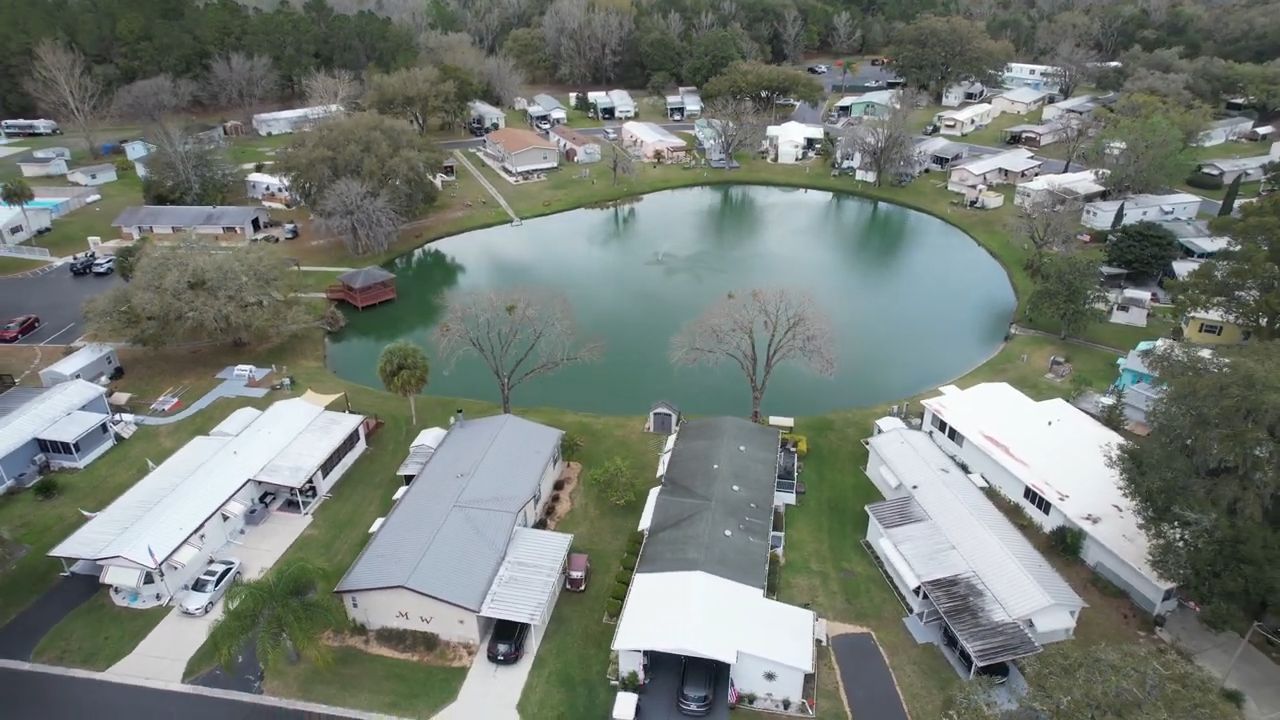
3 Seasons is known for affordable lot rent in a quiet 55+ setting near Brooksville. Residents have access to a heated pool, clubhouse, fitness center, laundry room, gazebo, shuffleboard courts, and a catch-and-release pond. The community is close to a bus stop, a Dollar General, and a gas station.
Lot rent and what it includes can change, so the best way to get current details is to call or stop by the office. You can find the phone number and address on our contact section.
Frequently asked questions
Do you pay lot rent if you own your mobile home?
Usually, yes. Owning the home does not mean you own the land. If the home sits in a park on a rented lot, you pay lot rent to the park owner each month.
Can lot rent go up?
Yes. Lot rent can increase over time. In Florida, parks covered by Chapter 723 must give homeowners at least 90 days’ written notice before an increase.
Is lot rent the same as a mortgage?
No. A mortgage is a loan to buy property. Lot rent is a rental payment for land you do not own. You might have both if you financed your home.
What is a mobile home park prospectus?
In Florida parks with 26 or more lots, the prospectus is a document filed with the state that explains how lot rent is set, what services are provided, and the park’s rules. Ask for it before you sign.
Thinking about calling 3 Seasons home?
Three Seasons is a quiet 55+ community in Brooksville with affordable lot rent, a heated pool and a friendly crowd. Call or email the office to ask about available homes and lots.